From my days of journeying around I took random videos of my favorite moments and places. Here are some of those times collaborated into one, enjoy!
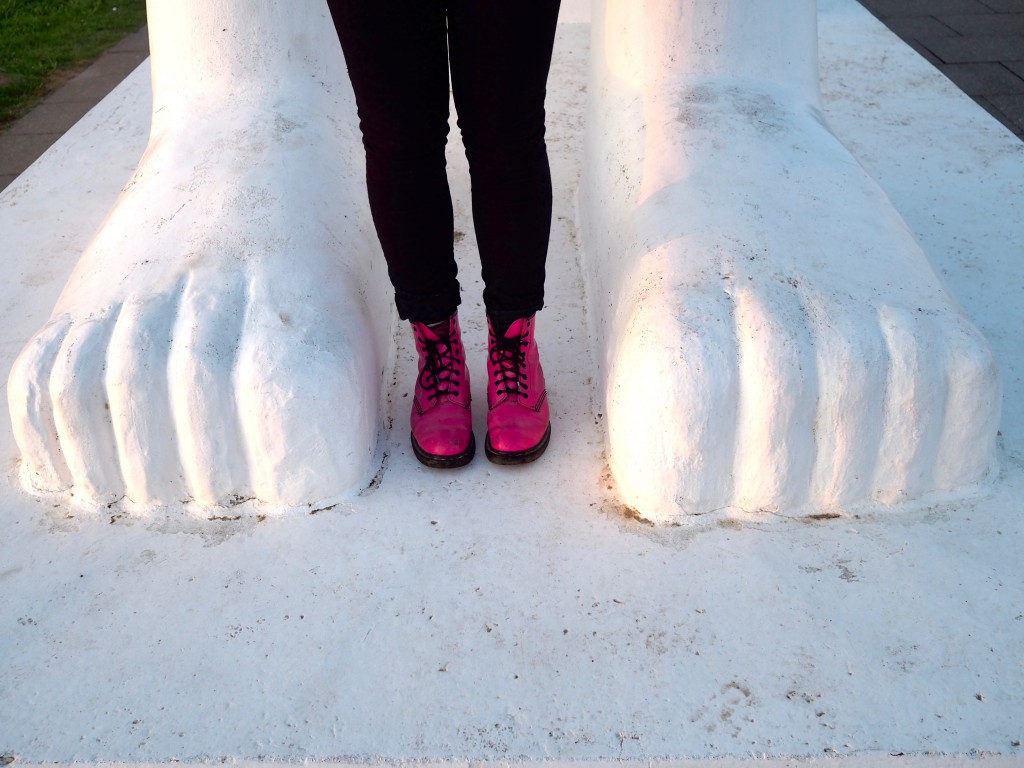
feet of the “men at sea” (and me)
From my days of journeying around I took random videos of my favorite moments and places. Here are some of those times collaborated into one, enjoy!
feet of the “men at sea” (and me)
I always seem to forget (block out) the strange ending of how a camp, school year, travel seminar, or school trip feels. After making all these wonderful connections, and crazy memories you’re just expected to move on and away without much thought to the wonderful humans you have just met. Yes, Facebook is a massive convience these days, but it doesn’t make the distance of those bonds any less disappointing to leave behind physically.
So, this post is just a thank you to all of the wonderful people I’ve been able to meet through my travels. I have enjoyed coffee shop and brunch spot hopping. Running from different types of public transportation to the next. Hearing different perspectives, life stories, adventures and struggles.

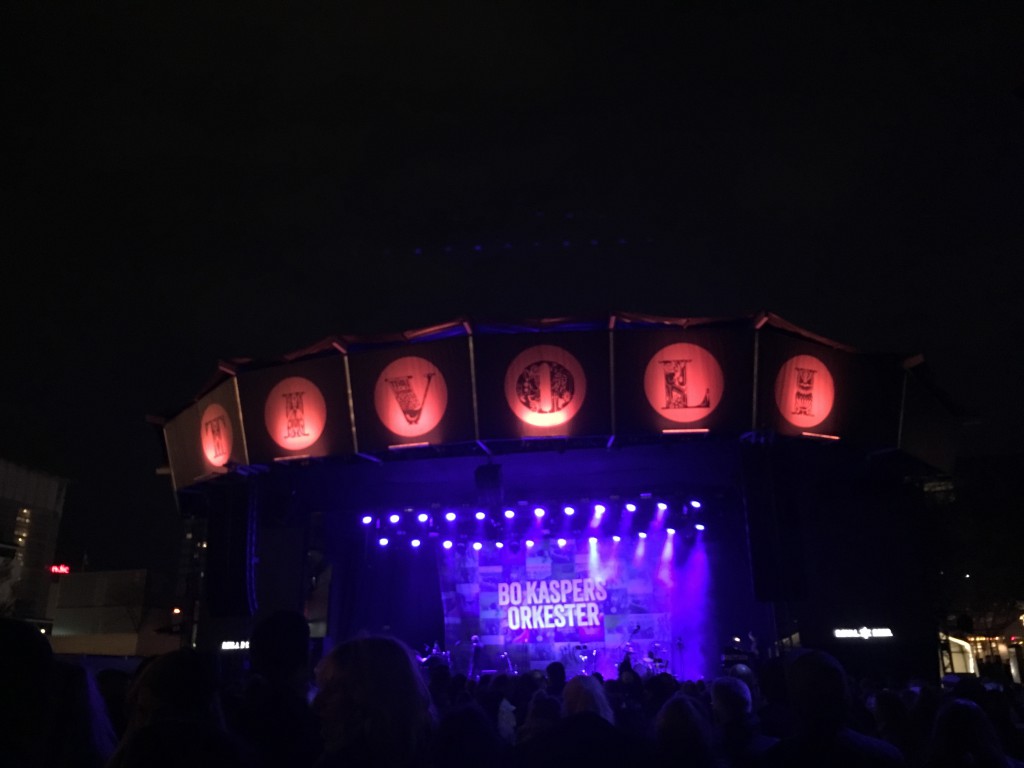
Last night, my Danish class took a field trip to Tivoli. We were going to see a rock concert, Bo Kaspars Band. A group of us wandered around the park for the night, eating popcorn, playing on the playground, it was a wonderful first experience of Tivoli. While no-one in my crew went on any rides, they looked pretty extreme and it is no shock that Walt Disney was inspired by Tivoli.
“Miles from Budapest, my hidden treasure chest”- George Ezra
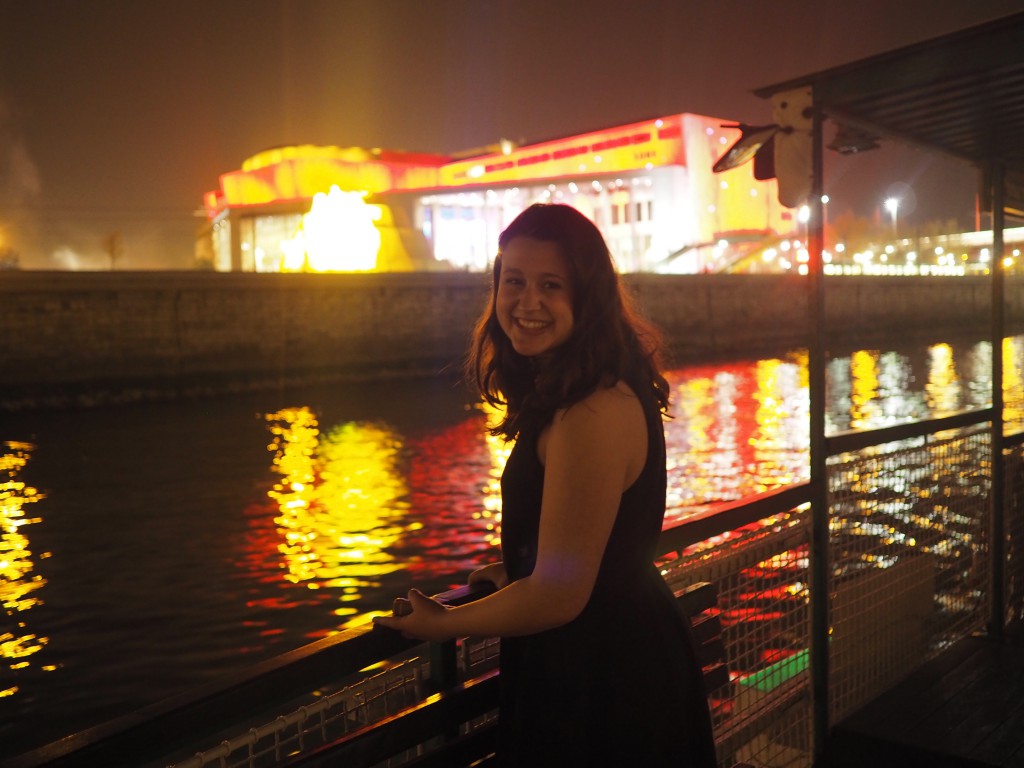
I completely agree with George Ezra, Budapest is a wonderful “hidden treasure chest”. I have now added it to my list of cities that have stolen a part of my heart, but that’s okay, I’m happy to leave it there.
Leg two of this long study tour was my favorite. The area was easier to get around, more friendly and had tons of graffiti (or color in general). Here are some of my favorite parts from the journey.
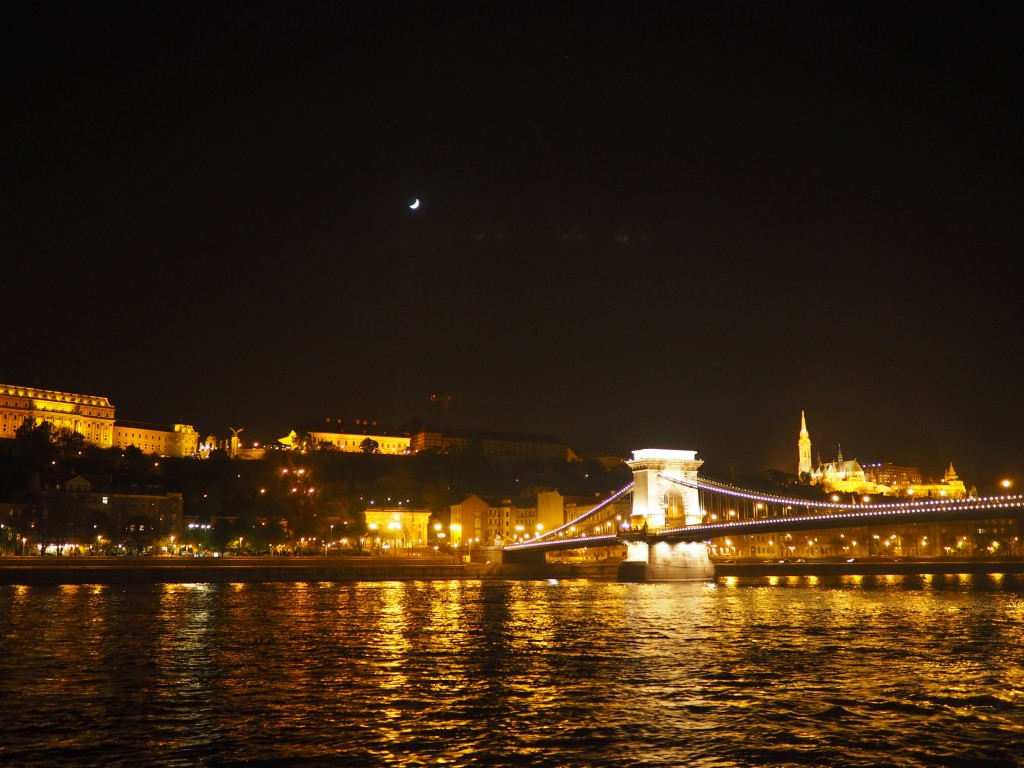
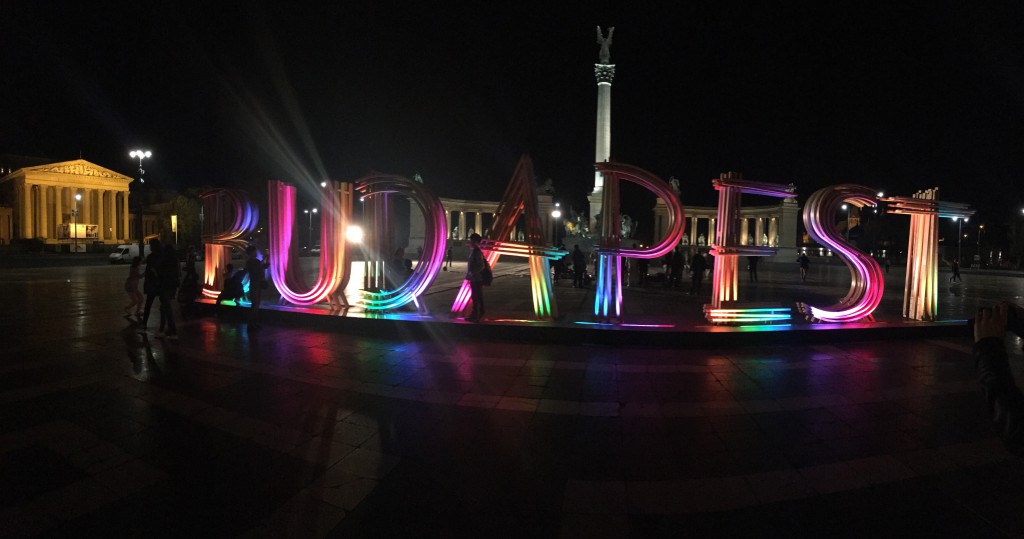
Part of the “Pest” side skyline
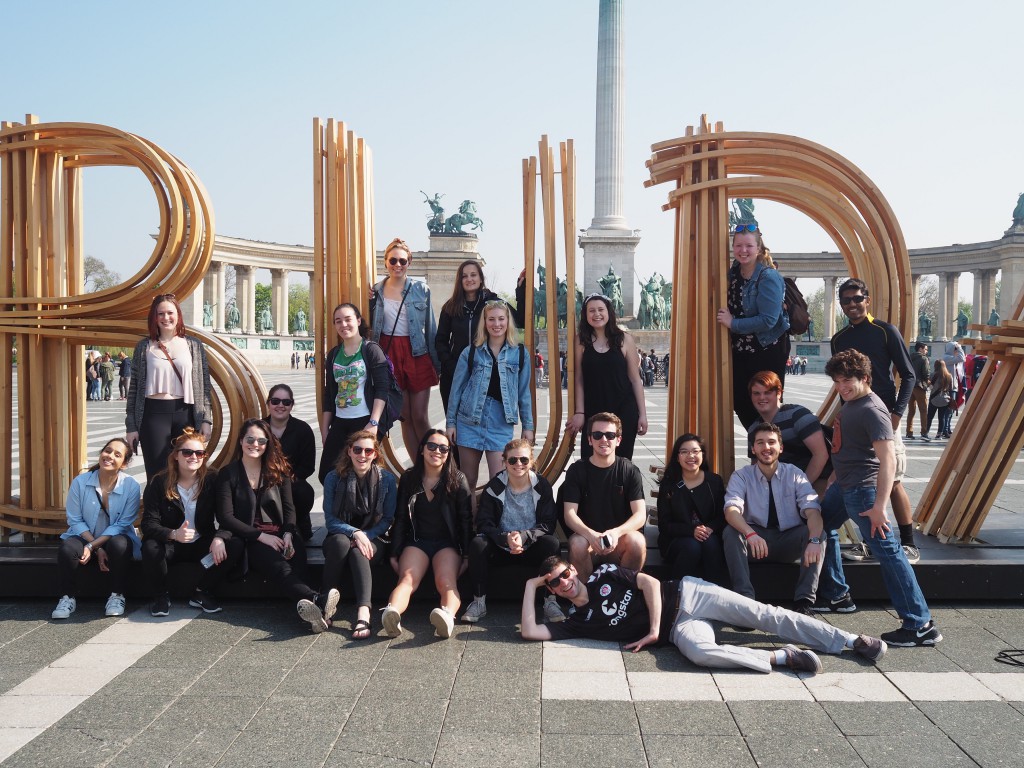
“the crew”
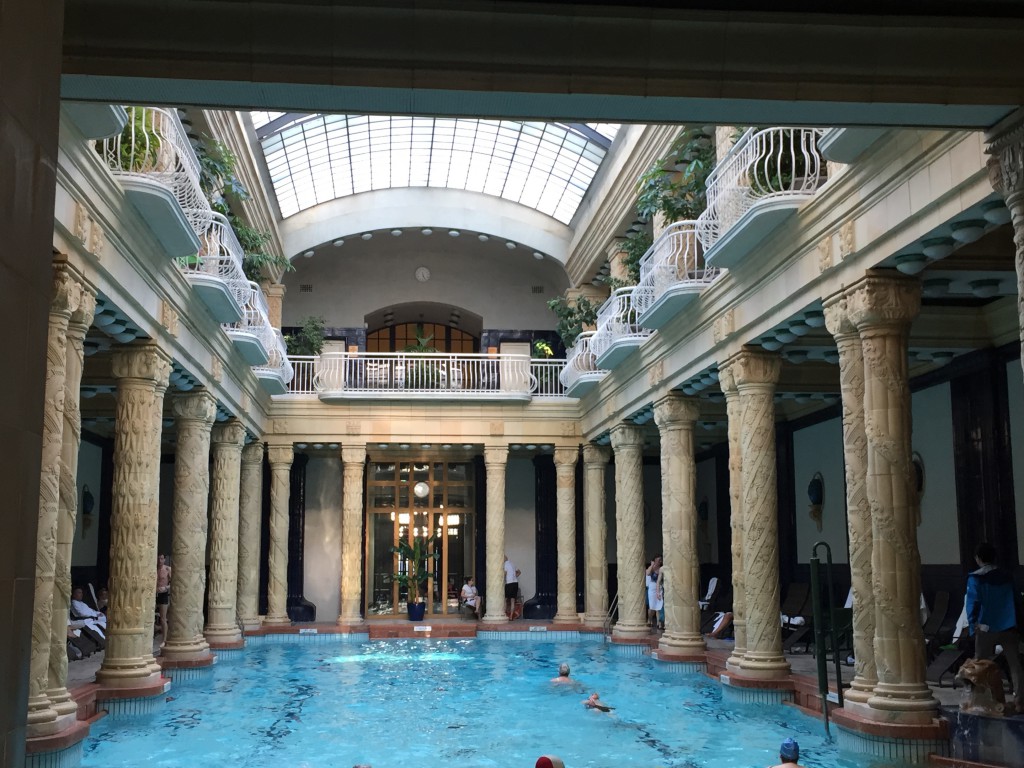
“The Baths” photo thanks to Rita
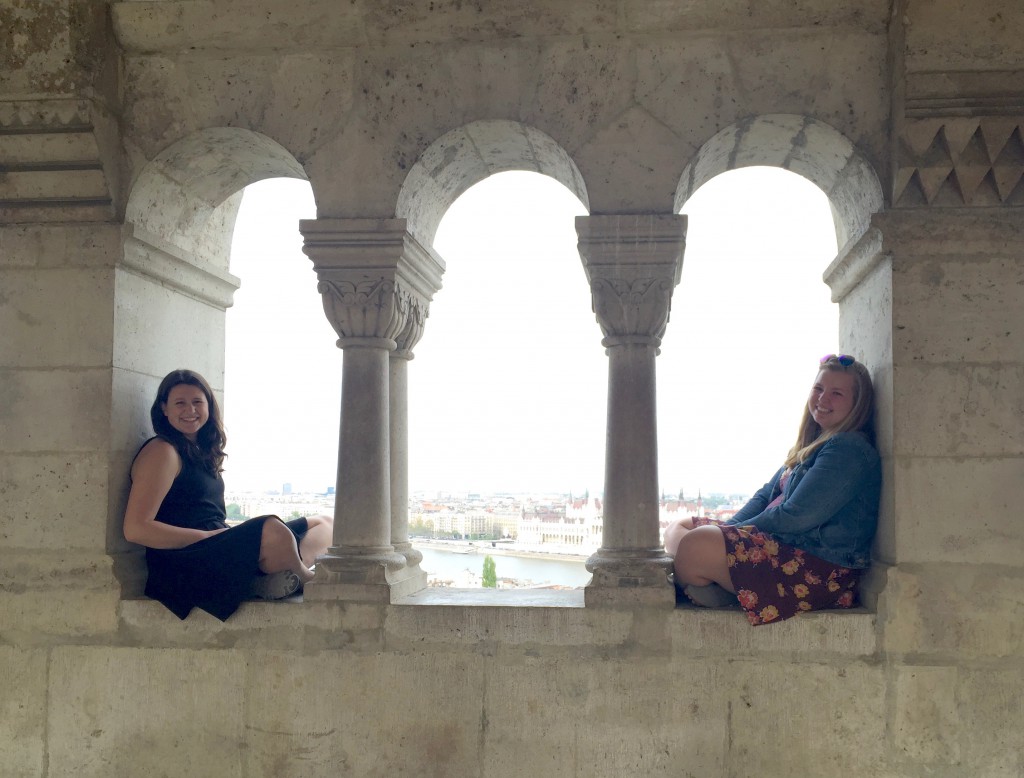
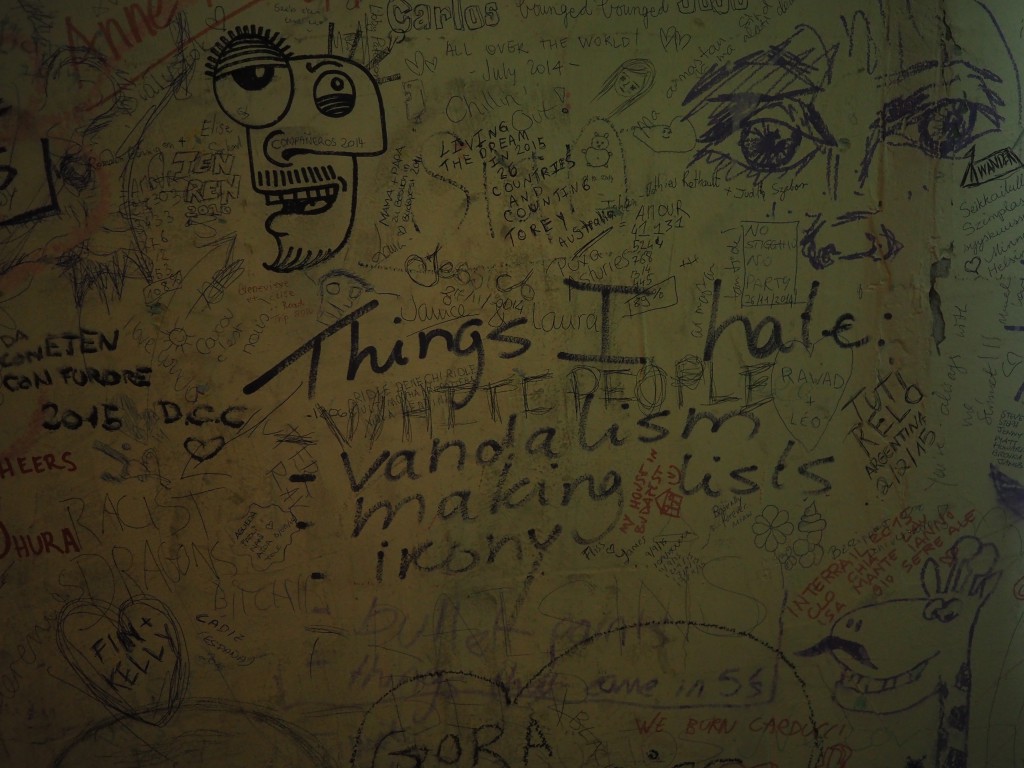
![a woman actually came and offered carrots to us... [apparently they are a good food to intake water with after drinking?]](http://denmark.thebaileyplanet.com/wp-content/uploads/2016/04/P4134960-768x1024.jpg)
a woman actually came and offered carrots to us… [apparently they are a good food to intake water with after drinking?]
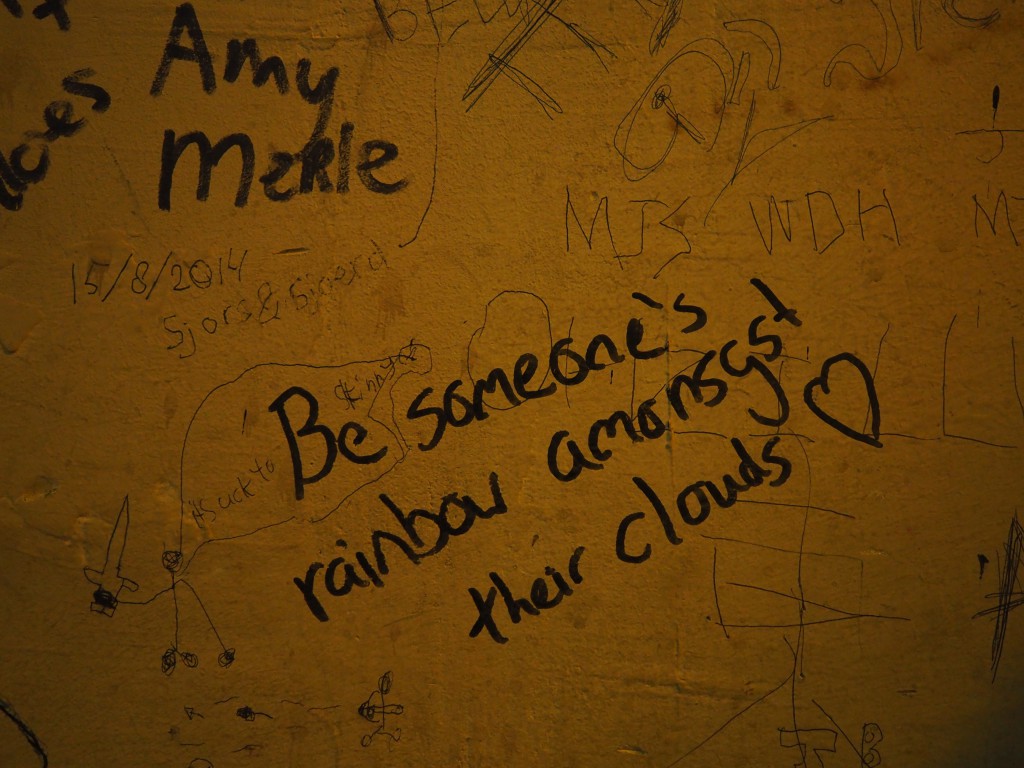
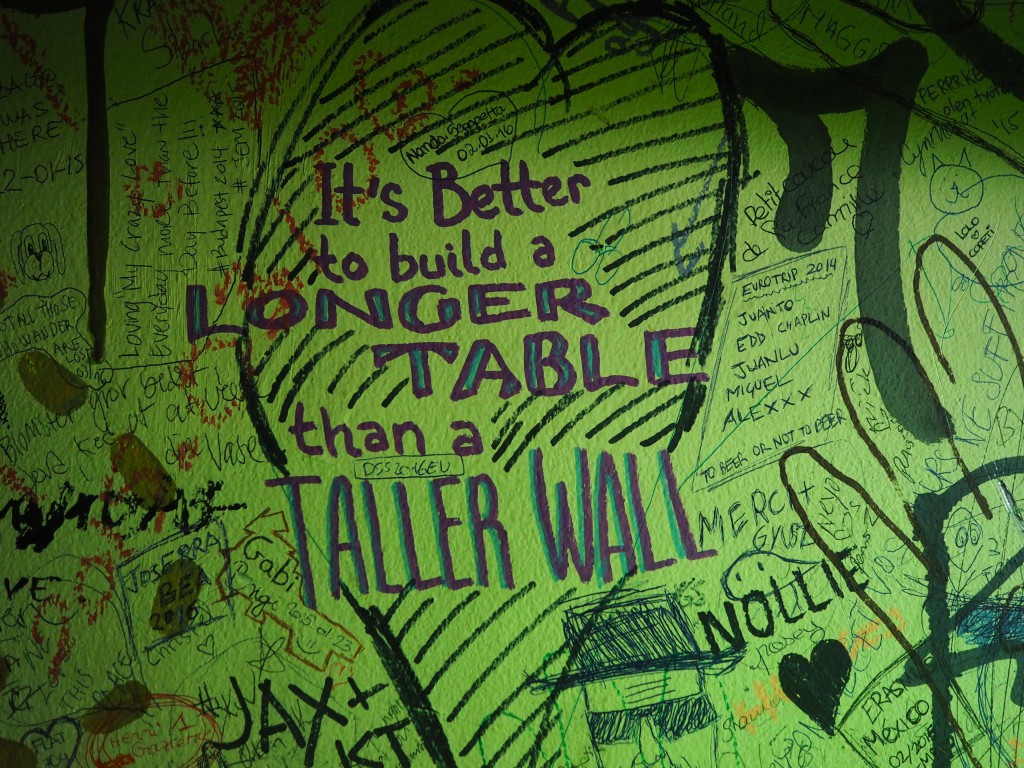
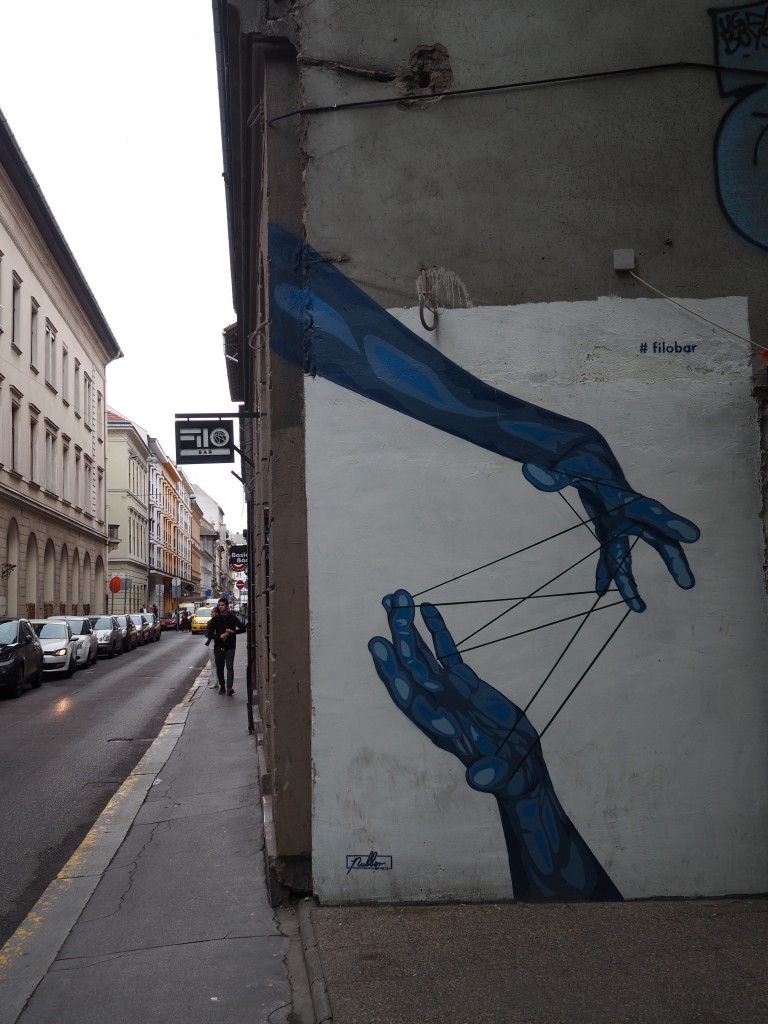
cat’s cradle
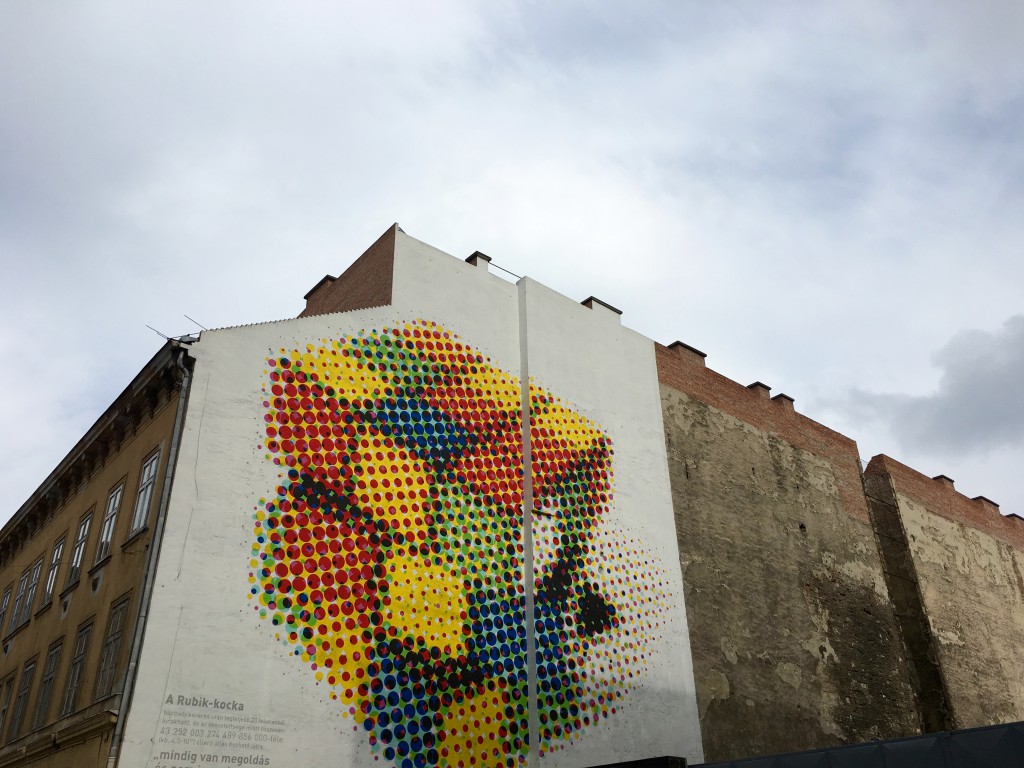
Thanks to my teacher, Silvia and our travel coordinator, Peter for a wonderful study tour!
This week was my Core Course’s Long Study Tour aka traveling with my “Why Cities Matter” class to learn about new places and lifestyles. For my Urban Studies course we traveled to Vienna (and Budapest.. see next post). We were in Vienna for three days and now we’re on the way to Budapest via train.
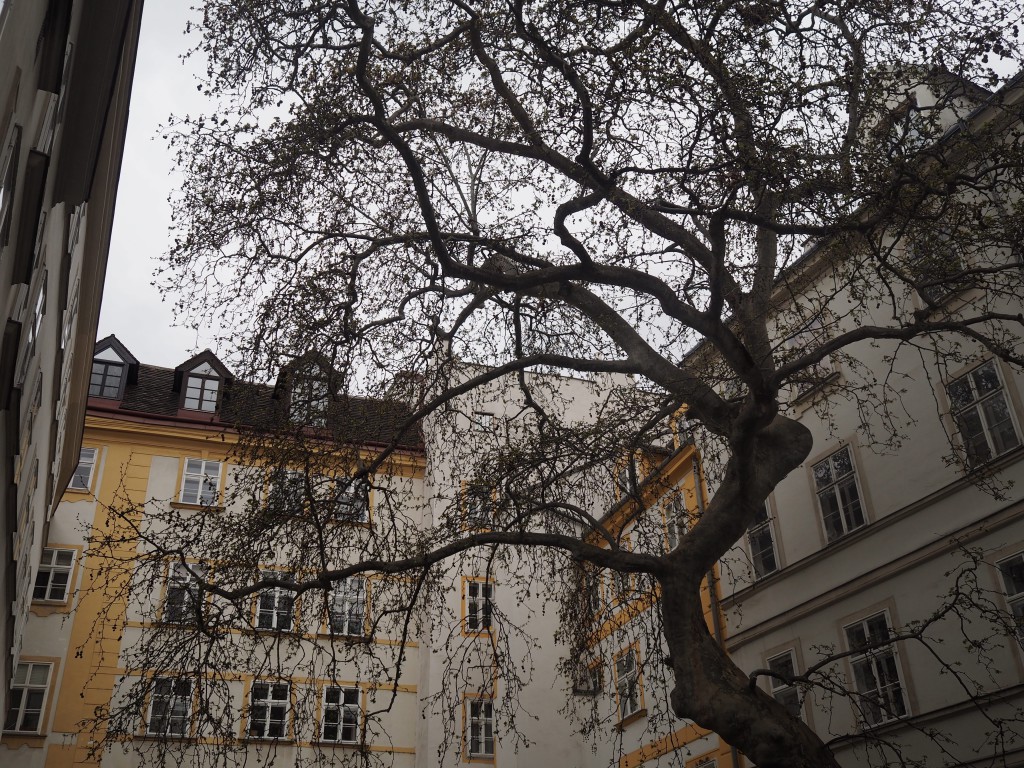
a beautiful square courtyard
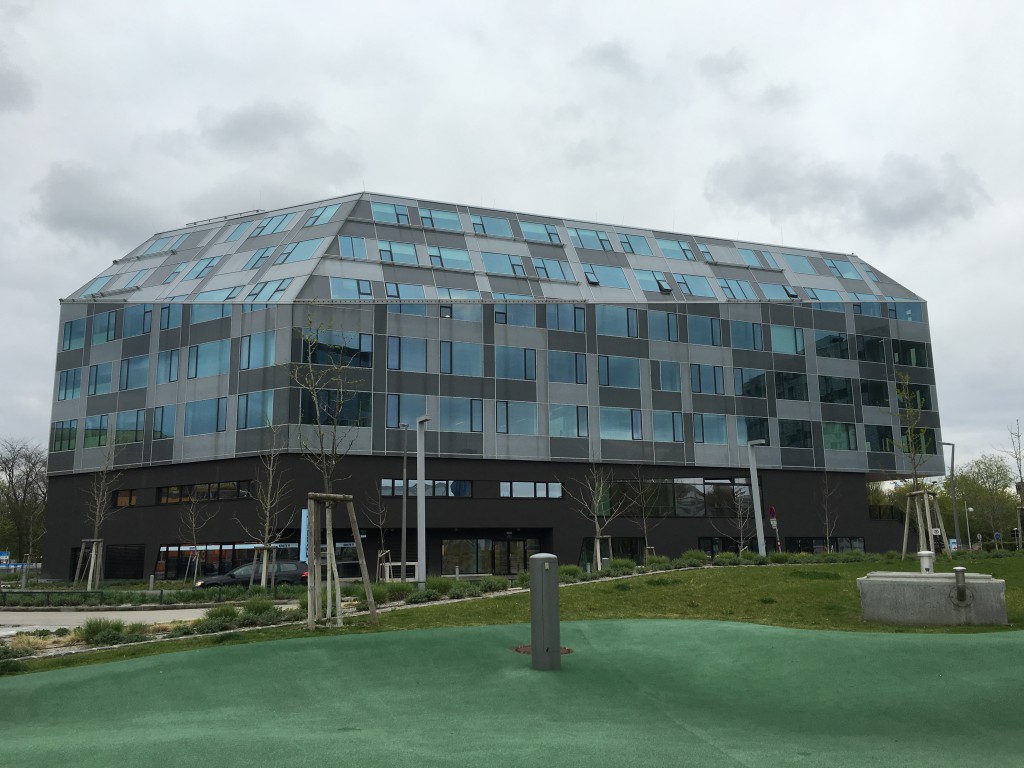
It has this vast atmosphere that has nooks and crannies of which it is unimaginable to think of how it was created.
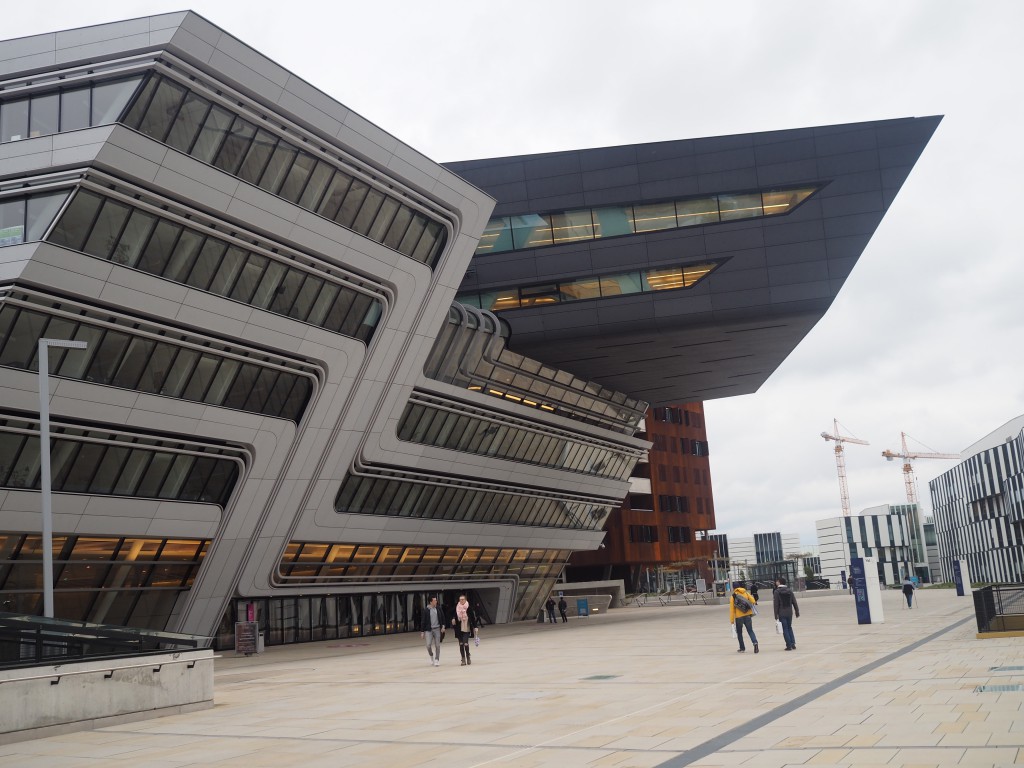
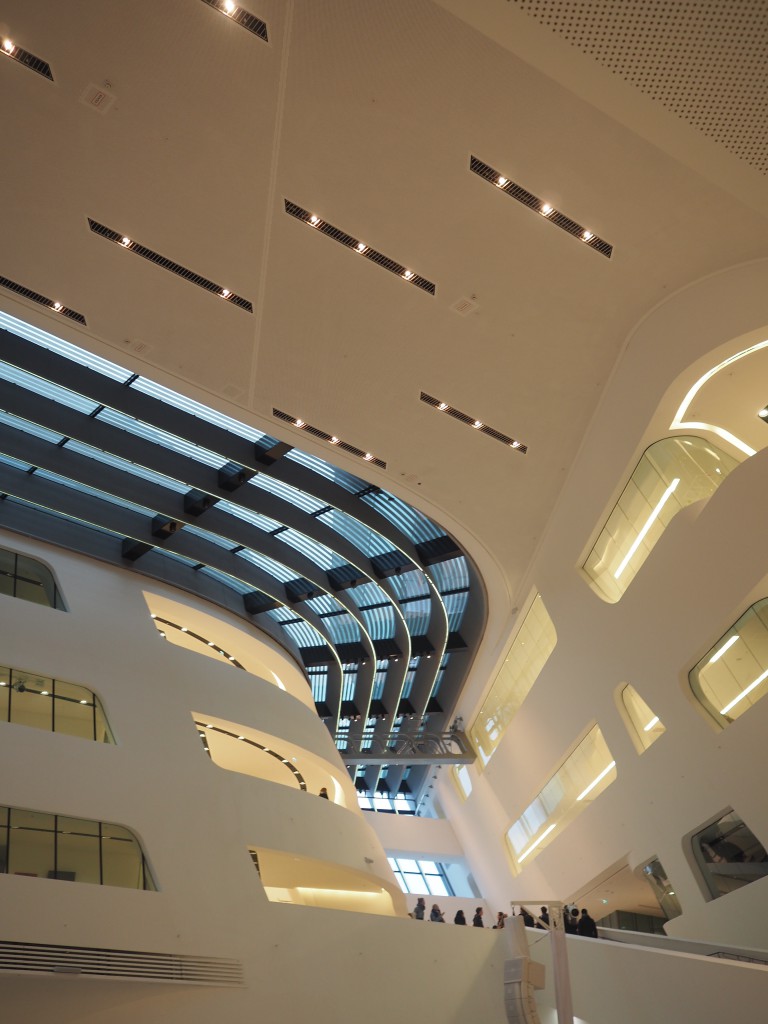
“inner crannies”
I call it playground city because the area had a slew of playgrounds that many of us enjoyed throughout the tour.
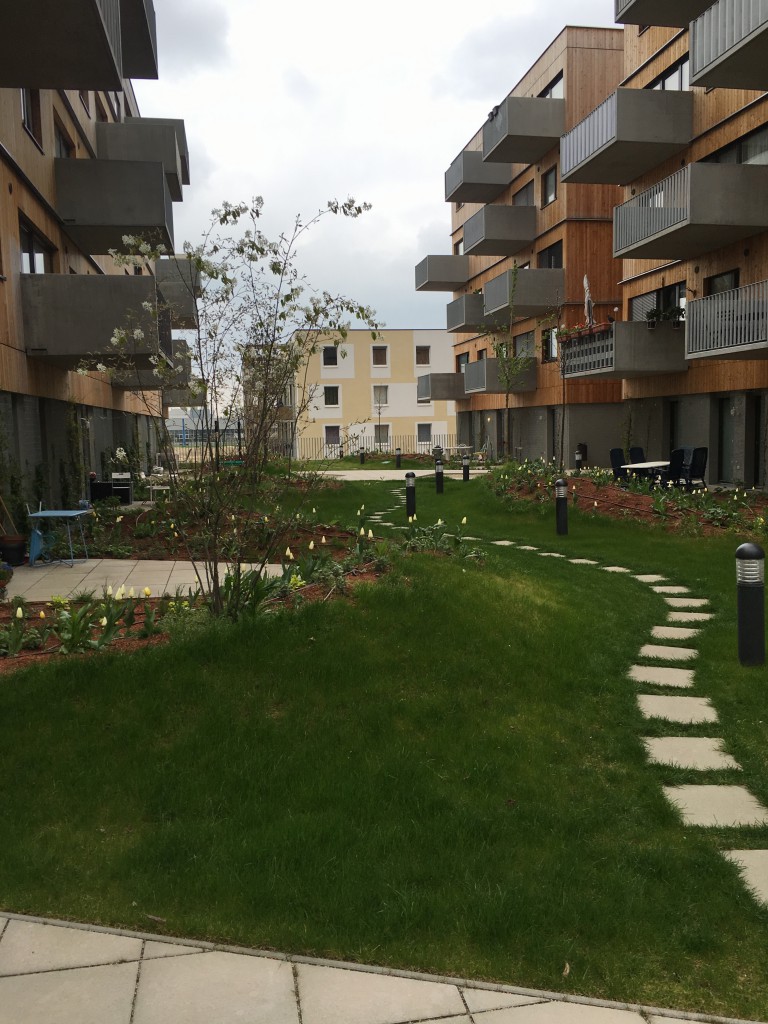
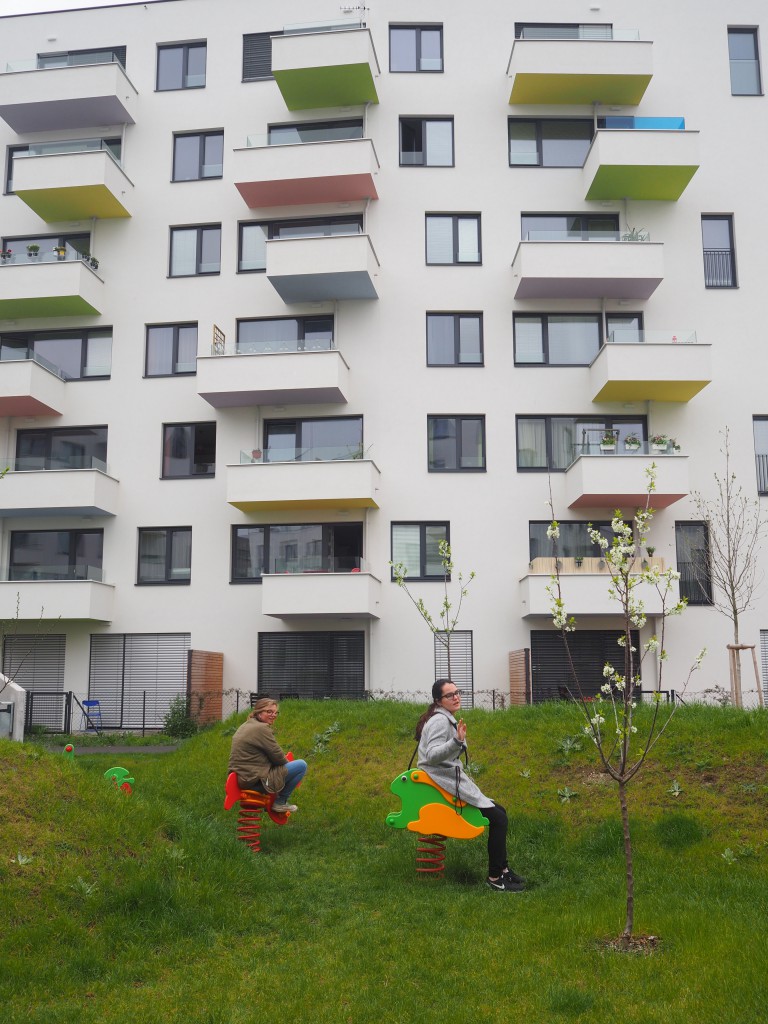
toggling on some springs
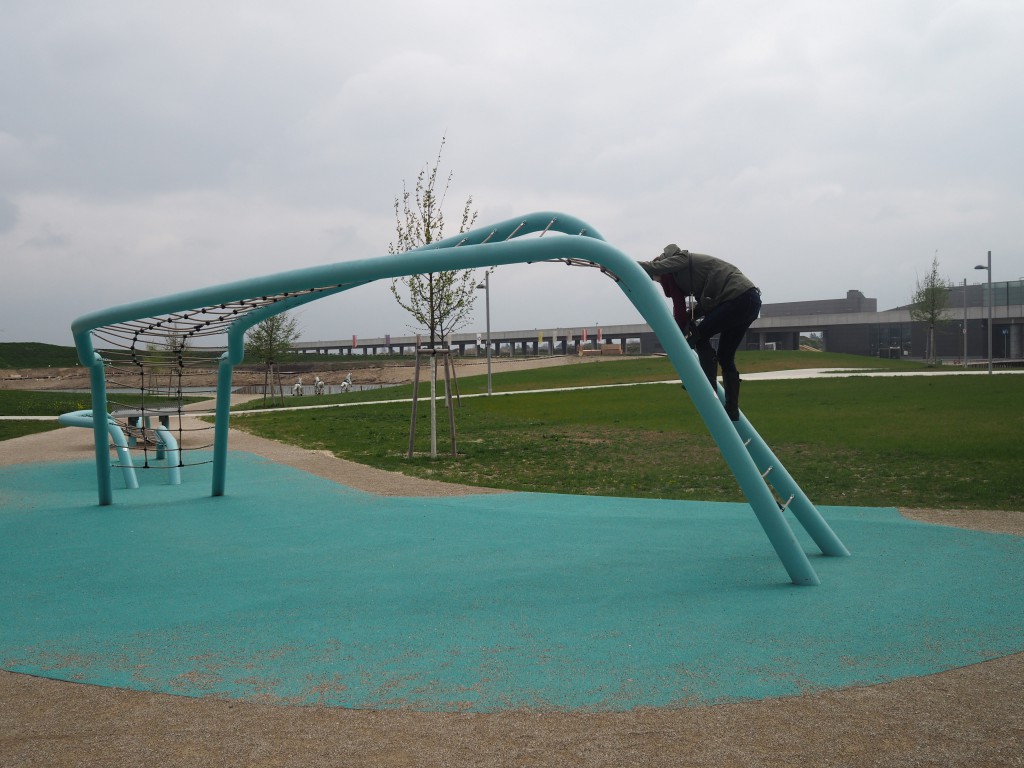
monkeying around
![thank goodness for whisper sets [ allow for playing and learning at one time ]](http://denmark.thebaileyplanet.com/wp-content/uploads/2016/04/P4093594-1024x768.jpg)
thank goodness for whisper sets which allow for playing and learning at one time
One thing that I have taken for granted many times this semester is the amount of travel and questioning of differently constructed spaces I have been exposed to in my core course of Urban Studies.
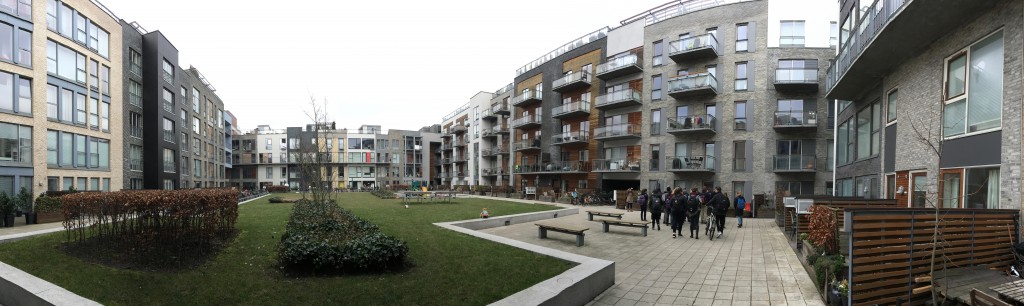
Sluseholmen, Denmark
We have focused on different aspects that go into creating a livable space including (but not limited to) transportation, community, environment, general aesthetics, location, and the underlying politics.
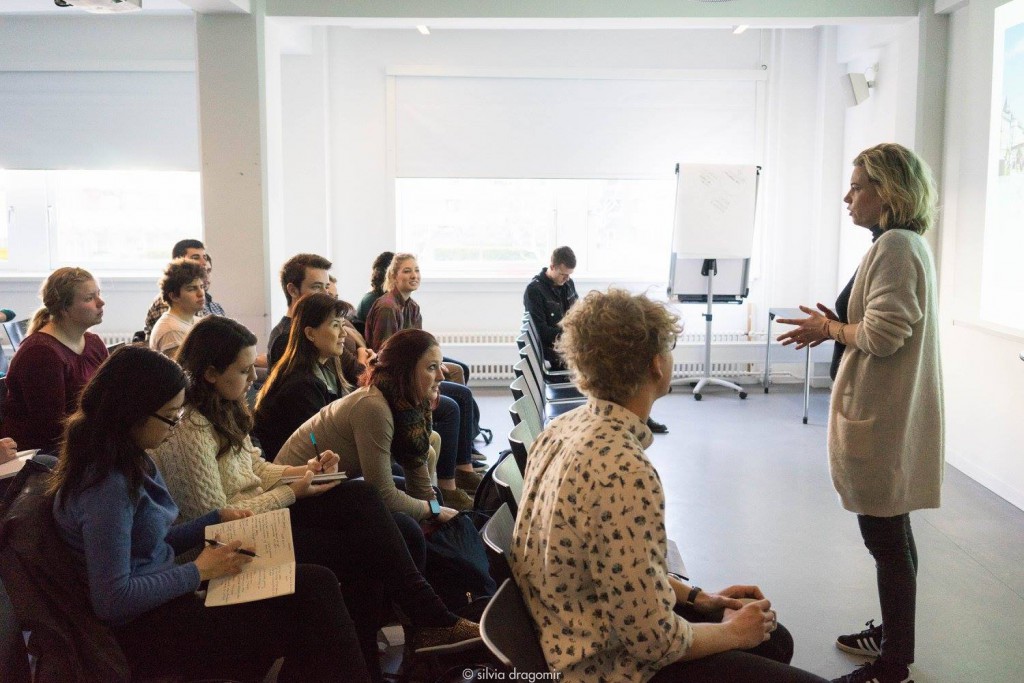
Field Study to the Municipality Office (“heart of Copenhagen Planning”)
As an anthropology major I have found myself very interested in the reasons people choose to live where they live. This course has made me think even more about the underlying and more abstract components to planning out a space and the things that do matter in people’s individual, everyday lives.
As a person who lives in a suburb in Minnesota and/or Massachusetts, I rely normally on an automobile as transportation. This course, and living in Denmark in general, has really made me think about the underlying infrastructure that needs to be in place in order to have a fully functioning public transportation system.
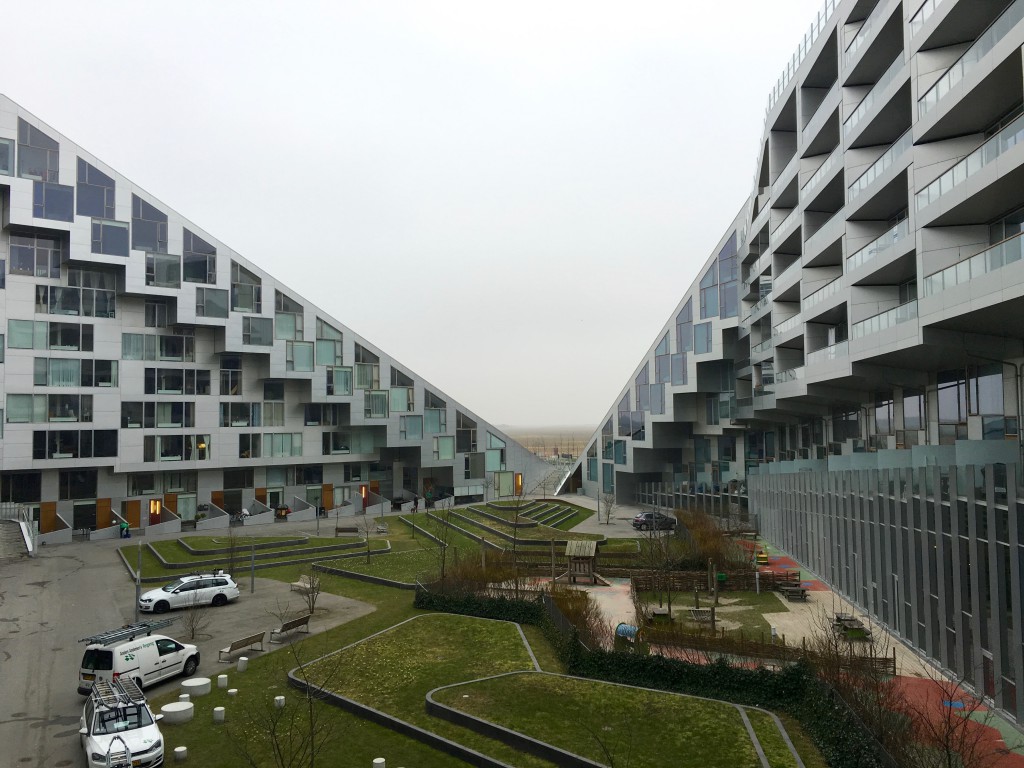
“8Tallet” Building by BIG in Amager (part of Ørestaden)
Copenhagen is truly catered towards such a system through designated bike lanes, regional and suburb trains, the metro system, and bus lines. From seeing how relied on and reliable each sub-sect of the system is has changed my perspective of what makes a city “great”. So while good food, interesting buildings/museums, street art and cute shops are nice, transportation can make or break a city in the grand scheme of life.
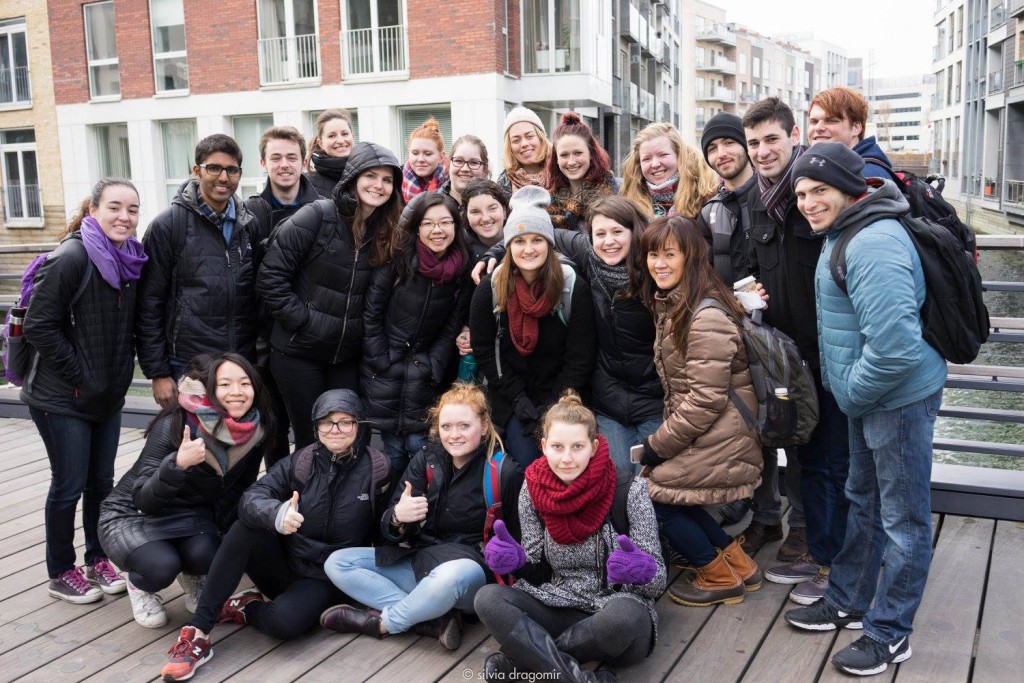
Urban Studies Last (General) Field Study in Sluseholmen, DK
So while I sometimes dread the crazy adventures and various coordination I have to do early in the morning to get to some of these less centrally located areas, I end up being thankful for the sessions and inspired by the new ideas and questions they present. They make me think about life from a different footing literally each time.
I am also very thankful when there is a local coffee shop nearby to wake up my brain cells and introduce me to delicious tasting coffee and cute atmospheres (talking about Riccos Kaffebar from this morning!).
*all group/class photos courtesy of my professor Silvia Dragomir
Living in a new culture and trying to understand or spot differences in ways of doing simple things has been an important part of reflecting on my everyday experiences. Below is a list of some preconceived notions prior to my arrival, their transformations as well as things I hadn’t thought about prior to my arrival and their specialness through my eyes.
Some people have this fantasy or idea that study abroad is just “partying, sleeping, traveling, and eating” sorry to ruin the illusion, but school is a large chunk of the study abroad experience. This week is mid-terms week, for a majority of my courses which means busy (but not as stressful as you might imagine).
I’m surrounded by wonderful coffee shops and pastries to keep me motivated. Instead of feeling mad about the work, I’ve been able to see the milk-carton blue sky and just be happy to take breaks walking through the cobblestone constructed lanes. (sorry no pastry pics, needed a sugar rush faster than the photographic evidence)
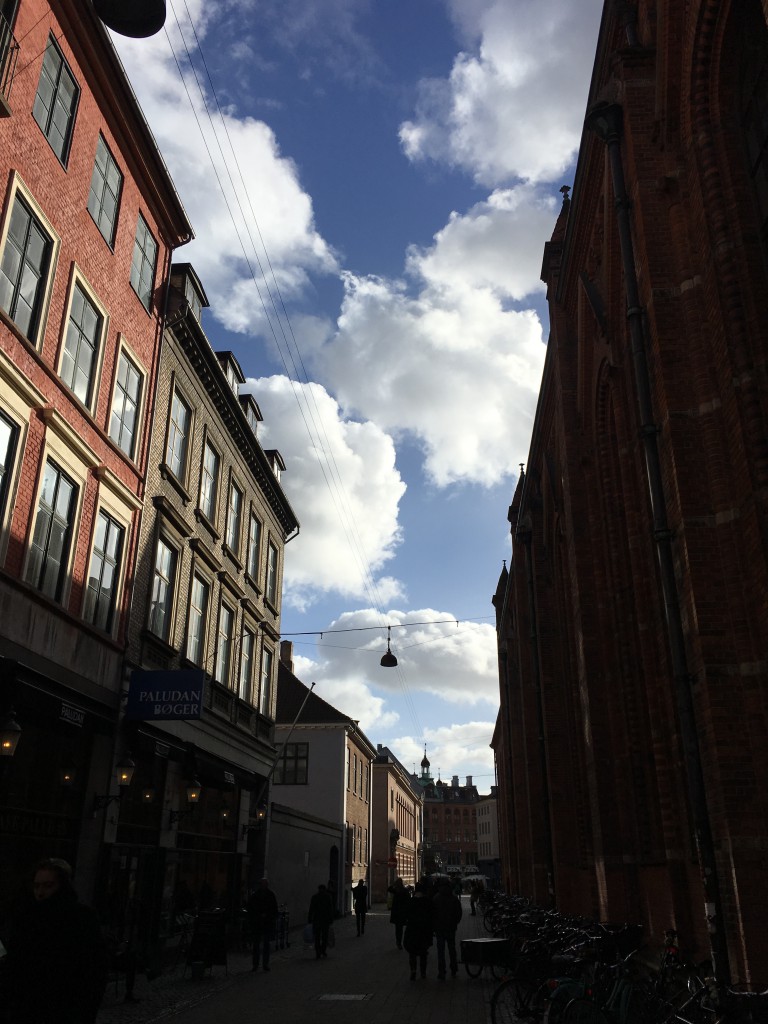
no, the clouds aren’t painted
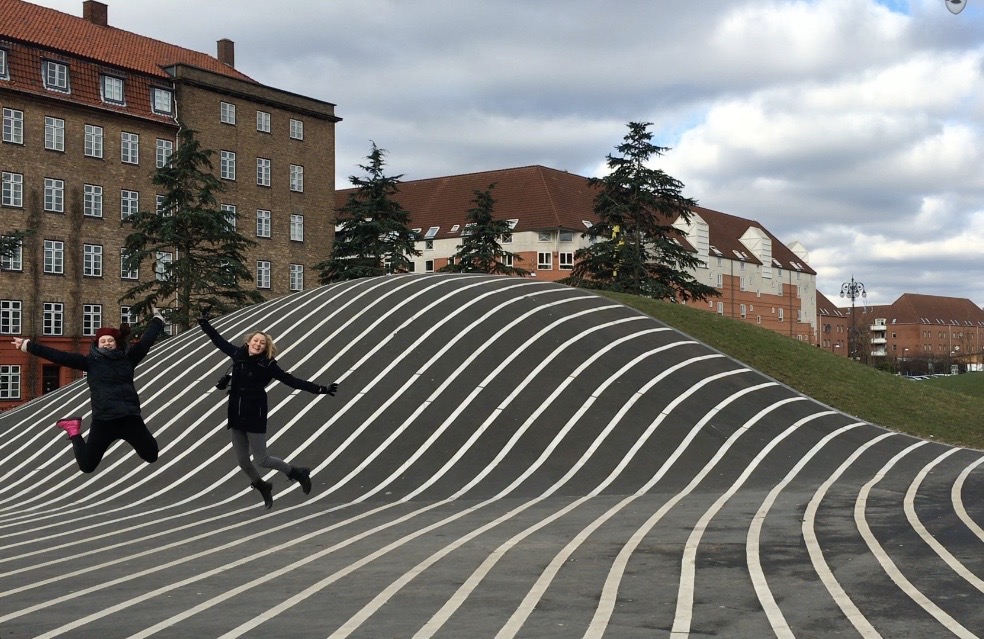
line jumping at a Nørrebro park
One aspect of studying at DIS that I haven’t really thought too much about is the class-free Wednesdays. This means that more often than not, you have a majority of your day to go and experience life in the area you live, or any part of Denmark. If you do have class, its a field study often to also experience Copenhagen with your class. Today, I took advantage of schedule freeness and explored Nørrebro with my friend Kristen.
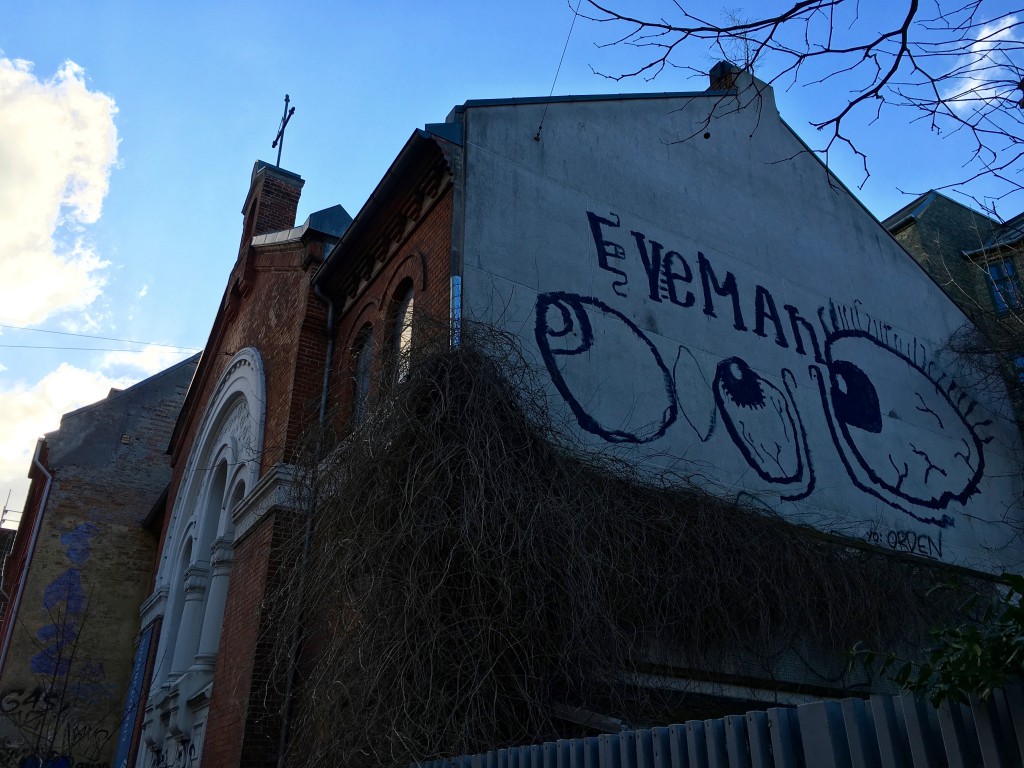
building art (which reads “eye man”)
Nørrebro is one of the neighborhoods near the city center, sort of like the Brooklyn of Copenhagen. Which means that it has extreme amounts of culture, personality and is overall a nice place to wander and bike aimlessly!
One thing about Copenhagen is that the parks here are wonderful no matter what age you are. I have found a variety of playgrounds that have made me want to be a mini-human again. They are often colorful, uniquely designed and not full of colored metal bars or constrained by regulations (that I know of or can tell). They are much different from the ones I played on during my childhood in Minnesota. Please enjoy a brief video of trampoline jumping below.
In-ground mini trampolines of various shapes; circles or squares, are a normal feature found on playgrounds or parks.
When I stumble upon them, they add a delightful addition to my day!
This week instead of having normal classes I had my entire schedule devoted to my core course, which is Urban Studies. This “core course week” is a special feature of DIS and has been my favorite week thus far! My class went to Hamburg from Monday to Wednesday and then we have been back in Copenhagen Thursday and Friday.
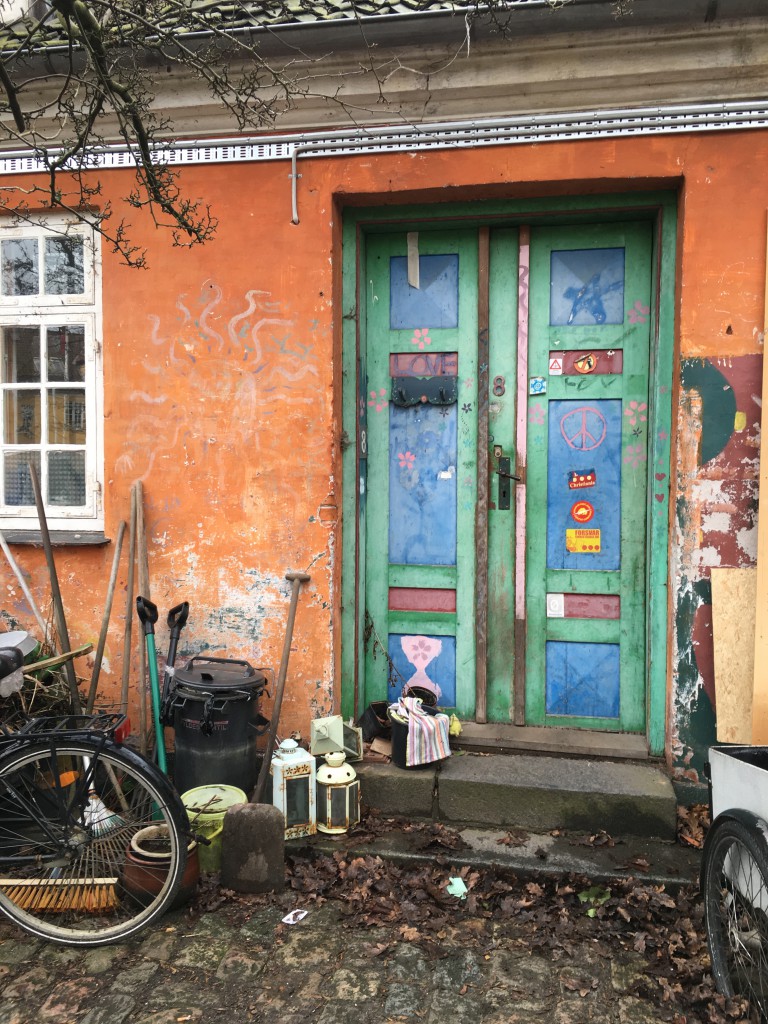
Christiania, Denmark (Freetown Christiania)
This week was full of new experiences with being cold. While I am a Minnesotan the cold of wandering each city for hours each day was an adjustment my ears and toes weren’t so prepared for!
The various “field trips” were filled with new insights into urban planning and the interlayers contained within it including; community, transportation, environment, and the desired outcome or purpose of each project.
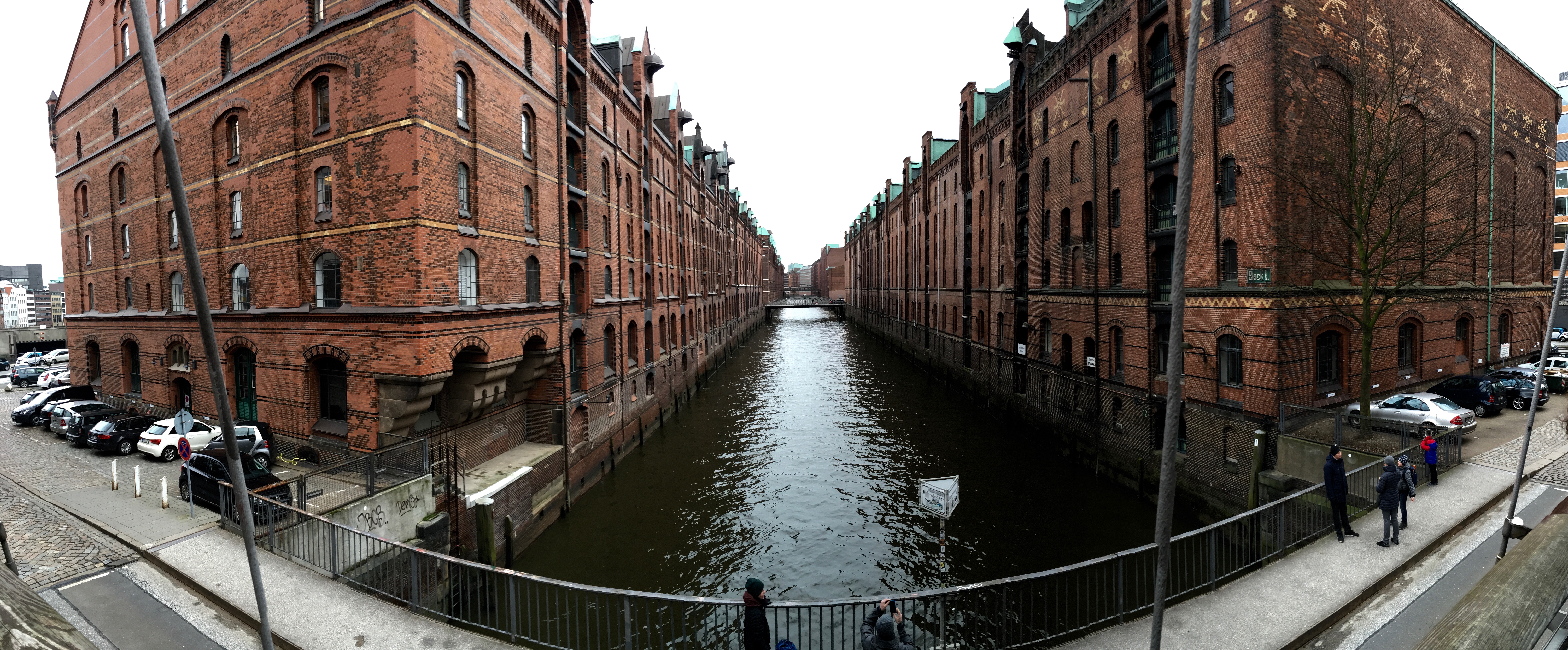
Speicherstadt (warehouse district) in Hamburg
Besides just learning about the areas we were in, this week was also about getting to know my fellow classmates. This included bonding through the hot coffee runs (to warm up), the train ride discussions, and complaining about our butts hurting after (and before) our bike tours of each city.
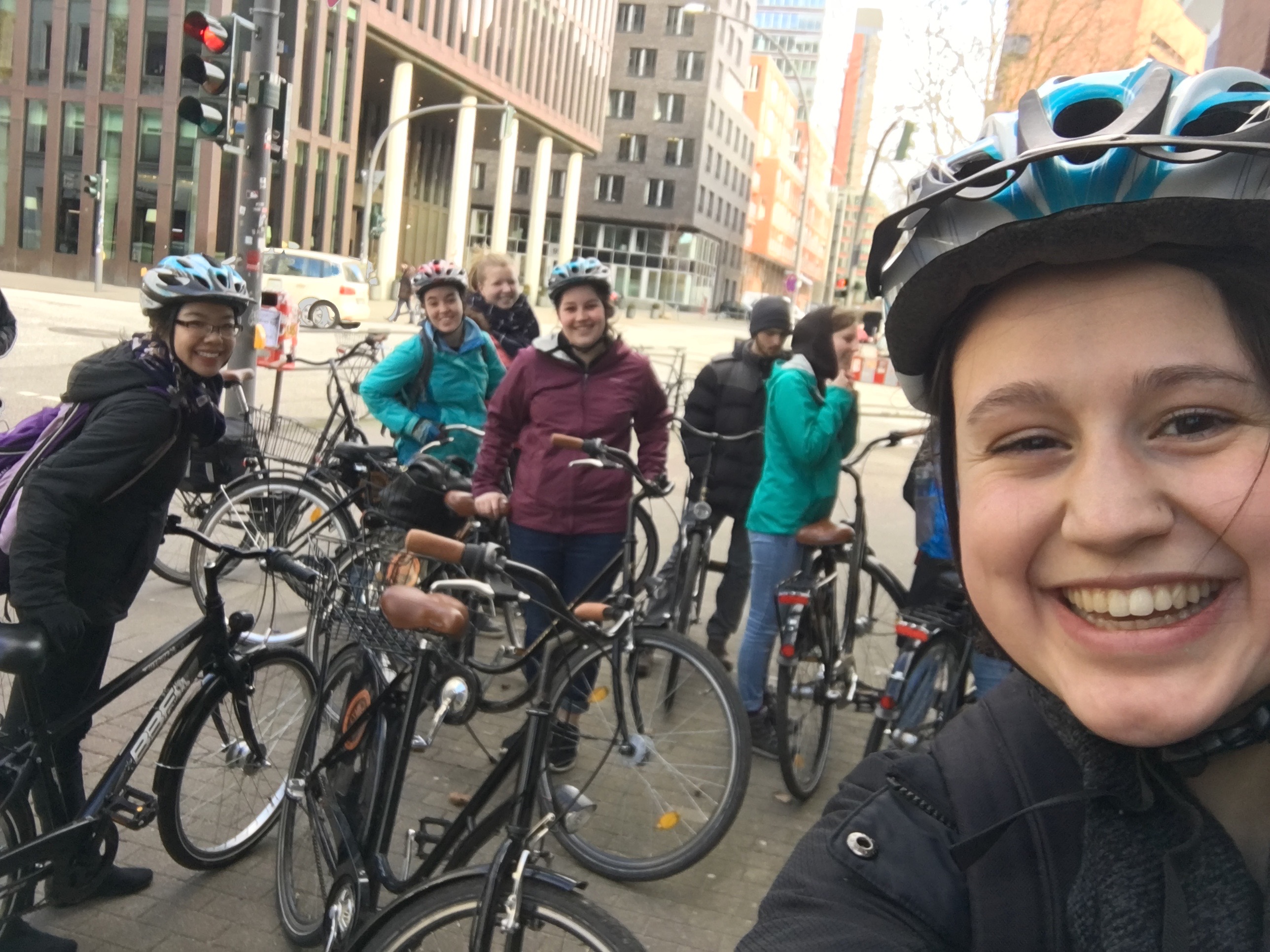
During our bike tour in Hamburg
Random facts I learned this week:
-Crosswalk signals are EXTREMELY shorter in Hamburg
(in large groups, it may take 2-3 signals to get the whole crew across without being hit by any vehicles, no-one got hit so all clear)
-German Beer is better.
-The functionality of a city’s various spaces is dependent on what it’s urban planner’s focus is on [understanding the people, the users of each space]
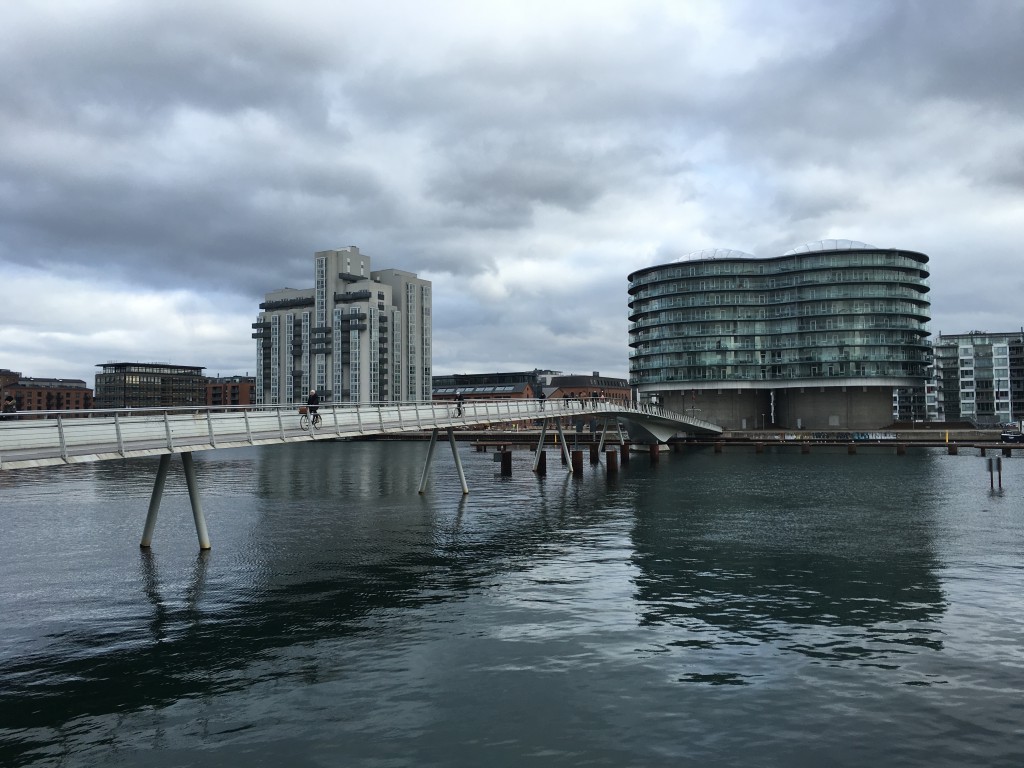
The Snake (bike bridge) in Vesterbro, Denmark
-Bike lanes are absent in Hamburg
(this was interesting, and it had a strange affect on the feeling and function of the city as a whole)
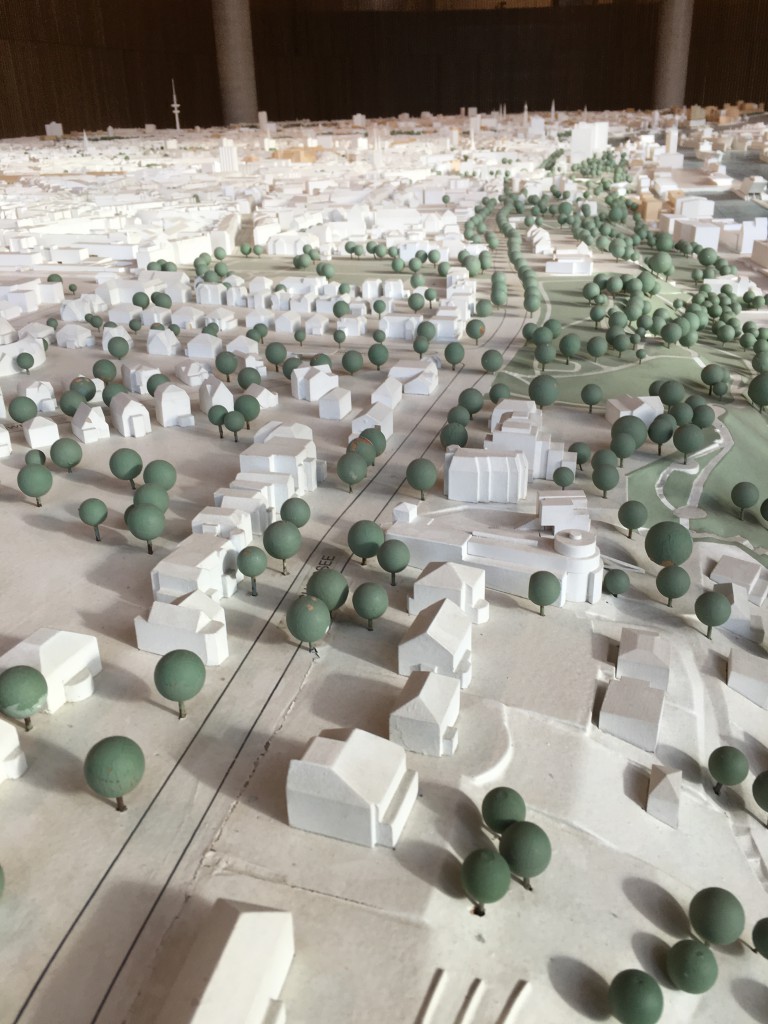
-there are 3-D maps of the city of Hamburg everywhere!
(or everywhere we took tours!)
-My teacher, Silvia is just as photo obsessed as me!
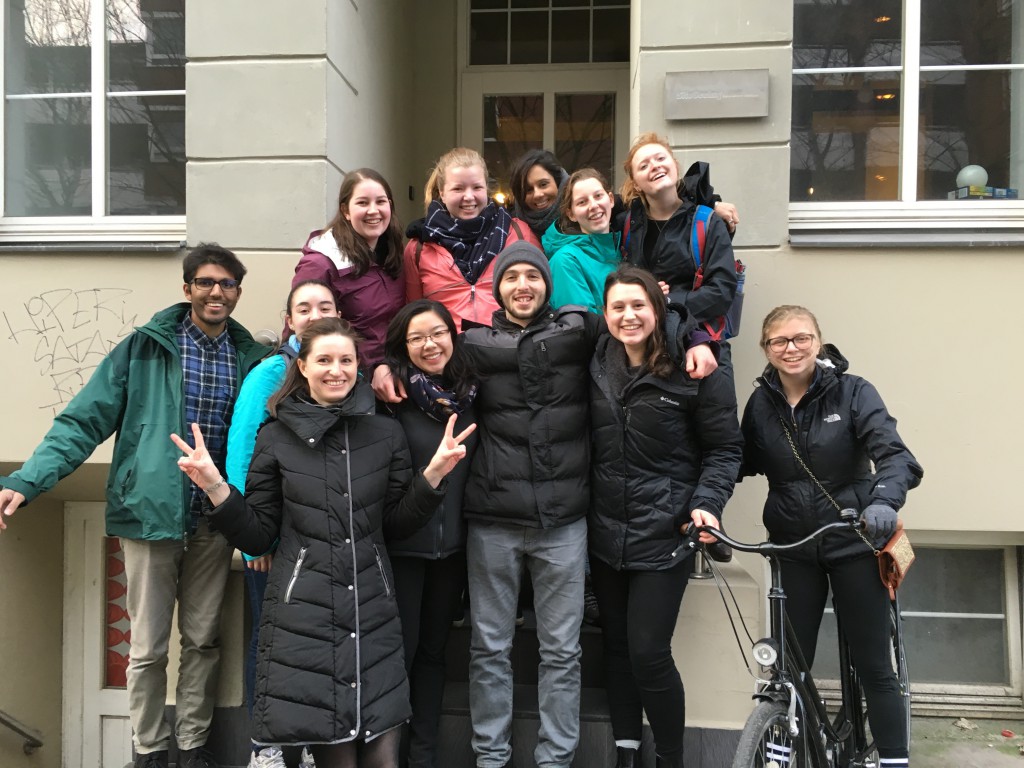
this was half of my class and Silvia after our first bike tour in Hamburg!
Overall, I am so thankful for the crazy jam-packed schedule of this week and can’t wait to learn and explore even more!